- RC Air Heating & Air Conditioning
Heater & Furnace Repair
in the Inland Empire
No heat. Cold rooms. A heater that will not stay on. RC Air provides heater and furnace repair across the Inland Empire. We’ll find the cause, explain your options and help you get back to comfortable heating.
Family-owned and based in Rancho Cucamonga, we have served local homes since 1980. You do not need to identify the failed part before calling us.
Have a heat pump? See our heat pump repair service. Not sure which heating system you have? We’ll help you work it out.
Request heater or furnace repair: (909) 566-2471

Request heater or furnace service
No Heat. Cold Rooms. Repeated Shutdowns.
Signs Your Heater or Furnace Needs Repair
- No heat or cool air. The blower may run while the burners never light, or the thermostat may call for heat without a response. We’ll help determine whether settings, ignition, flame sensing, controls or airflow are behind the problem. You do not need to know which part failed; our diagnosis turns those symptoms into a clear explanation and repair recommendation.
- Short cycling or repeated shutdowns. Heat that starts and stops before rooms warm up can point to restricted airflow, overheating or a safety control responding to a fault. We’ll assess the cycle and the relevant components to find why the system is stopping. Repeated resets are not a repair and can hide the pattern; our team will help you address the cause rather than keep restarting the furnace.
- Weak airflow or rooms that stay cold. A loaded filter, blower problem or duct leak can leave bedrooms uncomfortable even when the furnace is running. We’ll talk through where you notice the problem and check the relevant airflow and equipment components. That helps us separate a heating fault from an air-distribution issue and explain what will make the biggest difference to your comfort.
- New rattling, squealing or banging. A loose panel, struggling blower or ignition problem can produce different sounds. Our technician will investigate the source and explain what it means for the repair. There is no need to remove operating panels or reach into the equipment yourself. A loud bang at startup, smoke or a strong burning smell calls for stopping normal use and getting help rather than waiting for another cycle.
- Gas odor or a carbon monoxide alarm. Leave the home immediately and call 911 or your gas utility from outside. Do not operate electrical switches, use a flame or stay inside to troubleshoot. Emergency responders and the utility come first. Furnace repair should follow only after the immediate hazard has been addressed and it is safe to return.

Real Customers. Real Experiences.
What It’s Like to Work With RC Air

Clear Answers Before You Decide
Furnace Repair or Replacement? Know Your Options
- A targeted repair may be all you need. An otherwise dependable furnace with an isolated ignition, thermostat or blower fault may be a good repair candidate. We’ll explain what failed, the likely cause and what the repair includes, so you can decide with confidence rather than guess from a symptom.
- We help you weigh the longer-term cost. Repeated breakdowns, costly components, parts availability and uneven comfort matter alongside age. We’ll walk you through the repair estimate and, when relevant, replacement options, explaining the trade-offs for your equipment and budget. Age alone does not decide what is right for your home.
- Safety guides our recommendation. A confirmed heat-exchanger or combustion concern needs a professional assessment, not a workaround. We’ll explain the evidence, safe options and recommended next steps before you authorize work. You’ll understand why we recommend a repair or replacement and what it means for your home.
- A clear explanation of your repair price. Diagnostic time, the failed component, model-specific parts, equipment access and labor all affect the estimate. A thermostat or ignition repair is a different project from major blower or heat-exchanger work. We’ll explain what your quote includes, any separate diagnostic charge and relevant manufacturer coverage, so the numbers make sense before you approve the repair. Your estimate will reflect the diagnosed problem rather than a generic online average.
- Comfort matters beyond the sticker price. If replacement is worth considering, we’ll help you compare sizing, airflow, installation needs and the way your household uses heat. A new furnace will not automatically fix an existing duct or room-distribution problem, so we’ll explain those factors too. A sound furnace with a repairable fault may only need an appropriate repair. Frequent failures or a major safety-related defect call for a closer comparison, and we’ll guide you through it.
Find the Cause. Not Just the Symptom.
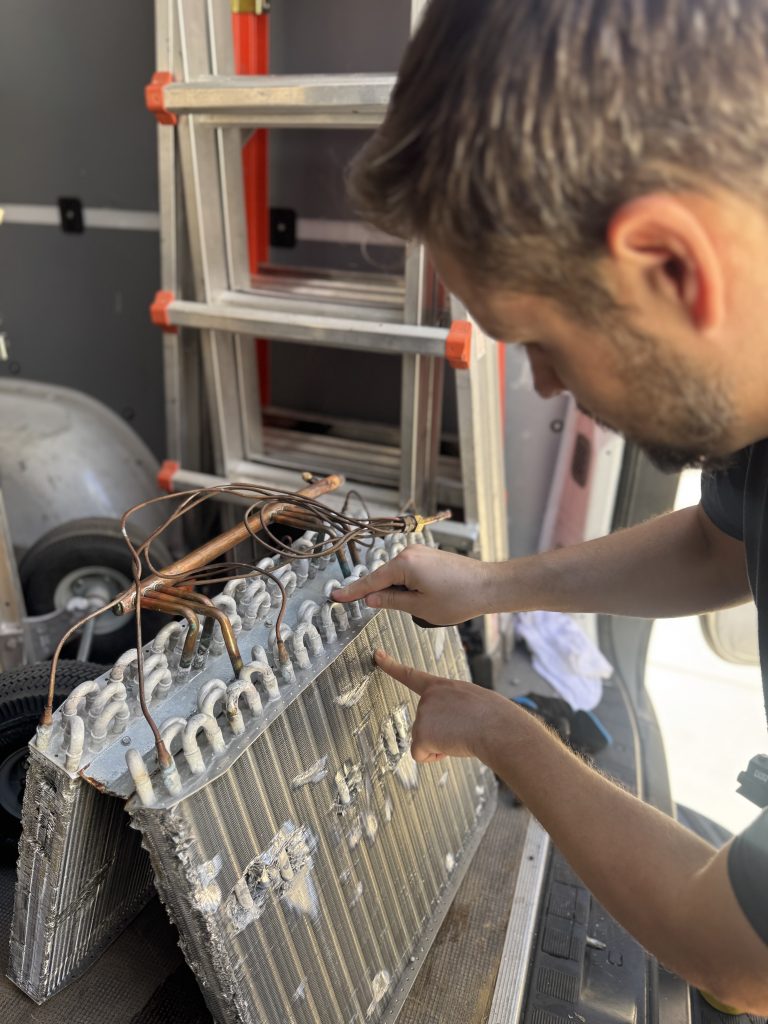
What Goes Into a Furnace Repair Diagnosis?
- Controls and the call for heat. A thermostat display is only one part of the sequence. Settings, power, wiring and control signals help determine whether the furnace is receiving the instruction to heat. A technician can distinguish a control issue from a failed heating component. This matters when a furnace seems completely dead, works intermittently or behaves differently after a thermostat change.
- Ignition, flame sensing and safety. Gas furnaces follow a sequence before delivering warm air. A failure to ignite, a flame that drops out or a safety lockout can have more than one cause. The right response is to test the sequence and the relevant components, not bypass a switch. Combustion, venting and heat-exchanger concerns deserve a qualified assessment because comfort and safe operation go together.
- Airflow and heat delivery. A furnace can produce heat while the home still feels cold. Filters, the blower, return-air restrictions and duct condition all affect delivery, and poor airflow can contribute to overheating and shutdowns. We’ll ask about room-to-room differences and any recent changes to your home, then assess the relevant airflow and heating components. That helps us recommend work aimed at the cause of the comfort problem, rather than assume a larger furnace is the answer.
- A few optional checks, with help a call away. If you feel comfortable, Heat mode, the temperature setting, thermostat batteries and an accessible filter are simple places to look. A clear path around supply and return grilles can also help. None of this is a requirement for calling us; our team will help you work out the next step. Gas valves, burners, wiring and safety controls belong in professional hands. Do not open operating panels or keep resetting a breaker that trips again.

A Straightforward Path Back to Comfort
What to Expect When You Call RC Air
- 1. We make scheduling straightforward. When you call or send a service request, we’ll help you arrange the next available visit. We’ll ask a few simple questions about your home and what your furnace is doing, then gather any useful access details or fault-code information. You do not need to diagnose the problem or know the name of a part before contacting us.
- 2. We diagnose the issue and explain your options. Our technician checks the parts of the heating system relevant to the problem, which may include controls, ignition, flame sensing, blower operation, airflow and safety devices. We’ll explain what we find in plain language, walk you through the recommended repair and its cost, and answer your questions before you approve the work. If replacement deserves consideration, we’ll help you compare the options without leaving you to decipher them alone.
- 3. We help you move forward with confidence. After the approved repair, we’ll check system operation and explain the work performed, relevant parts or labor coverage, and the maintenance that can help your equipment stay dependable. If a part or additional work is needed, we’ll explain the next step and expected timing. Our goal is to leave you with clear answers and a practical plan for comfortable heating, not another list of things to figure out.
Our Community. Your Home. Since 1980.
Heater & Furnace Repair From a Team That Knows Your Community
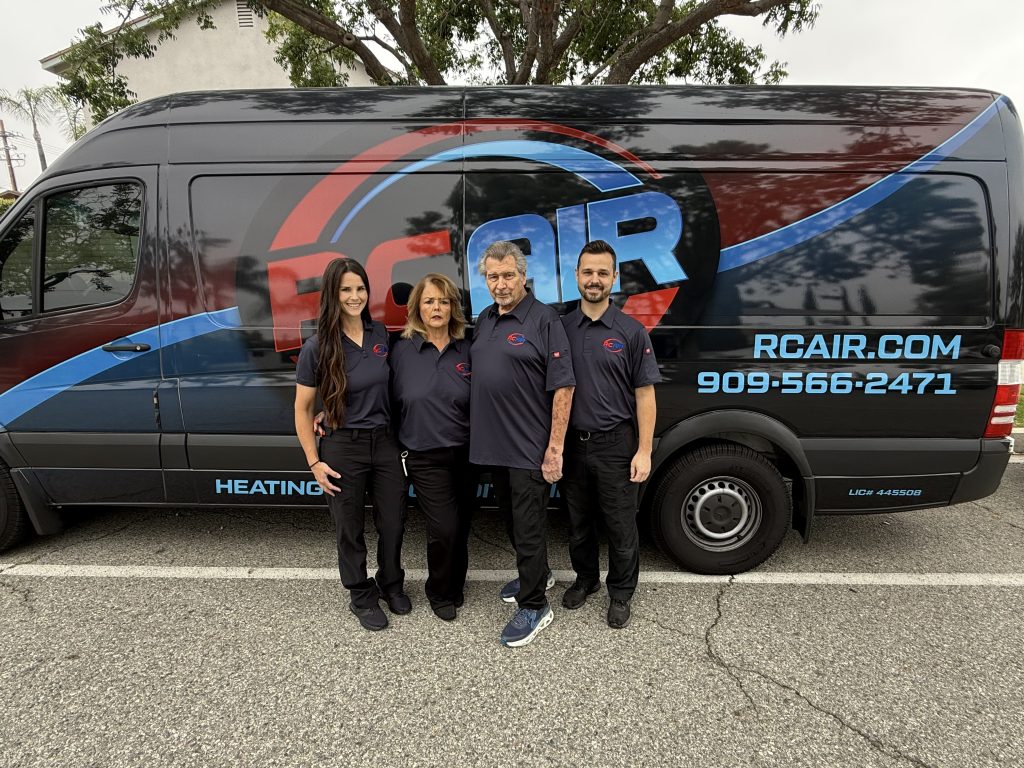
- Family-owned care, rooted in Rancho Cucamonga. RC Air has served Inland Empire homes since 1980. When your heating lets you down, our local team helps you get from an uncomfortable house to a clear repair plan, with straightforward explanations and support through the next step. Our customer reviews share what that experience has meant to other homeowners.
- Heating help shaped around your home. From chilly foothill mornings to the first cold night after months without heat, comfort needs vary across the Inland Empire. We’ll listen to what has changed, check how your furnace and airflow are working together, and explain a solution that fits your home. Wind, dust and long periods of light use provide context, but our recommendations come from examining your equipment rather than making assumptions about the weather.
- Local support for the next step, too. We provide furnace repair in Rancho Cucamonga, Upland, Ontario, Fontana, Claremont, Montclair, Eastvale, Chino and Chino Hills, plus the communities in our service area. Our team will confirm availability for your address when we arrange your visit. We’ll also help with a practical maintenance plan for your equipment or explain replacement options when repair is no longer the right fit.
Furnace Repair: Frequently Asked Questions
Months of light heating use can hide an ignition, thermostat or airflow problem until a cold night puts the system to work. A dirty filter can also restrict airflow, and an overheating furnace may shut down on a safety limit. The symptom alone does not identify the failed part.
RC Air can help you get to the cause without guessing at parts. We’ll check the heating sequence and relevant components, explain the findings and recommend the next step. Simple thermostat settings or an accessible filter may be worth a look if you feel comfortable, but troubleshooting is not a requirement for booking service. Safety switches must never be bypassed, and a repeated shutdown needs assessment rather than repeated resets.
Windy, dusty conditions can increase the dust entering a home, particularly with open doors, windows or leaky ducts. That can load filters faster and restrict airflow. A restricted filter can contribute to overheating, short cycling and weak airflow, but it is not the explanation for every furnace fault.
We’ll help you choose the correct filter size and an appropriate rating for your equipment, and explain a sensible replacement schedule for your home. A more restrictive filter is not automatically better. If the house still feels cold, we’ll assess airflow and furnace operation rather than assume a filter change will solve everything.
Leave the building immediately and get everyone to fresh air. From a safe location outside, contact emergency services or your gas utility and follow their instructions. Do not operate switches, use flames, try to find the leak or re-enter until the appropriate responders say it is safe.
A service appointment is not a substitute for an emergency response. Once the immediate hazard has been addressed, arrange a professional inspection before using the heating system again. If there is no immediate hazard but the furnace is failing to heat, call RC Air at 909-566-2471 to discuss service availability.
Furnace repair pricing depends on the diagnosed problem, the parts needed, equipment access and labor. A thermostat issue is a different job from a blower motor or major combustion-system repair. We’ll explain the diagnostic charge when arranging service, then walk you through the recommended work and its cost before you approve a repair.
Our technician will explain what is included, relevant warranty coverage and any parts-availability considerations. We’ll also talk through previous repairs and recurring symptoms with you. If an older furnace has repeated failures, we’ll help you compare the repair with replacement options, so you have a clear picture of cost, comfort and long-term value without having to know all the technical questions to ask.
Yes. RC Air serves Rancho Cucamonga and surrounding Inland Empire and foothill communities, including Fontana, Ontario, Upland, Claremont, Montclair, Eastvale, Chino and Chino Hills. Our team will confirm coverage and the next available appointment for your address when you contact us.
A foothill home can cool down differently from a valley home, while room layout, insulation and ducts also affect comfort. We’ll ask about the rooms that feel cold and assess the heating equipment, air distribution or both. You can describe the experience in everyday terms; we’ll handle narrowing down the cause.
Uneven temperatures are not always a furnace failure. Blocked registers, a restricted filter, duct leaks, poor insulation and air-balancing issues can keep warm air from reaching certain rooms. Two-story homes may also have different heating demands upstairs and downstairs.
We’ll help identify whether the problem is heat production, air distribution or both, then explain the most useful next step. Keeping vents clear is helpful, but you do not need to balance the system yourself. Closing many registers to force heat elsewhere can make airflow problems worse. If your home uses a heat pump, our heat pump repair service addresses its different heating cycle and diagnostic needs.