
0% financing for 60 months with equal monthly payments on qualifying Bryant systems through May. View financing options
0% financing for 60 months through May. View financing options
Top Heater & Furnace Repair in the Inland Empire
Our skilled technicians offer timely, efficient repairs, ensuring your heating system operates smoothly.
What Inland Empire Homeowners Should Know About Heater & Furnace Repair
Heating problems are not always obvious at first. A furnace may still turn on, but struggle to heat evenly. A heat pump may run longer than usual. A thermostat may seem fine even though the system is short cycling, blowing cool air, or using more energy than normal.
This guide breaks down the most common heating issues, when a repair is usually enough, when replacement may make more sense, and how regular maintenance helps protect your system before colder weather arrives.
If your heater is not turning on, blowing cold air, making loud noises, or producing a burning smell, it is better to have the system inspected before continuing to run it.
Common heater and furnace problems
Most heating service calls start with one clear symptom, but the cause can come from several different parts of the system. A furnace that blows cold air may have an ignition problem, dirty flame sensor, gas supply issue, thermostat problem, clogged filter, or restricted airflow.
- Heater turns on but does not warm the home
- Furnace blows cold or lukewarm air
- System starts and stops repeatedly
- Unusual banging, rattling, grinding, or squealing noises
- Burning smells, electrical smells, or dusty odors
- Weak airflow from vents
- Uneven temperatures from room to room
- Unexpected increase in utility bills
The important thing is to avoid guessing. Replacing a thermostat, filter, or part without identifying the actual cause can waste money and leave the real problem unresolved.
Repair vs. replacement
A heating repair is usually the right move when the system is newer, the problem is isolated, and the repair cost is reasonable compared to the remaining life of the unit. Many issues can be repaired without replacing the entire system.
Replacement may be worth discussing when the system is older, repairs are becoming frequent, parts are difficult to source, efficiency has dropped significantly, or the repair cost is high enough that it no longer makes sense to keep investing in the same equipment.
A good technician should explain both options clearly. You should know what failed, what it costs to fix, how long the repair is expected to last, and whether replacement is actually necessary.
Warning signs you should not ignore
Some heating issues are inconvenient. Others can point to safety risks or larger failures. If your system is producing a strong burning smell, electrical odor, gas smell, or carbon monoxide concern, stop using the equipment and get help immediately.
- Persistent burning or electrical smell
- Gas odor near the furnace or utility area
- Yellow or flickering pilot flame on applicable systems
- Repeated breaker trips
- Loud mechanical noises during startup or shutdown
- System shuts itself off before reaching the set temperature
Even when the issue is not urgent, catching it early can prevent unnecessary wear on the blower motor, heat exchanger, ignition system, or electrical components.
Need help with a heater or furnace issue?
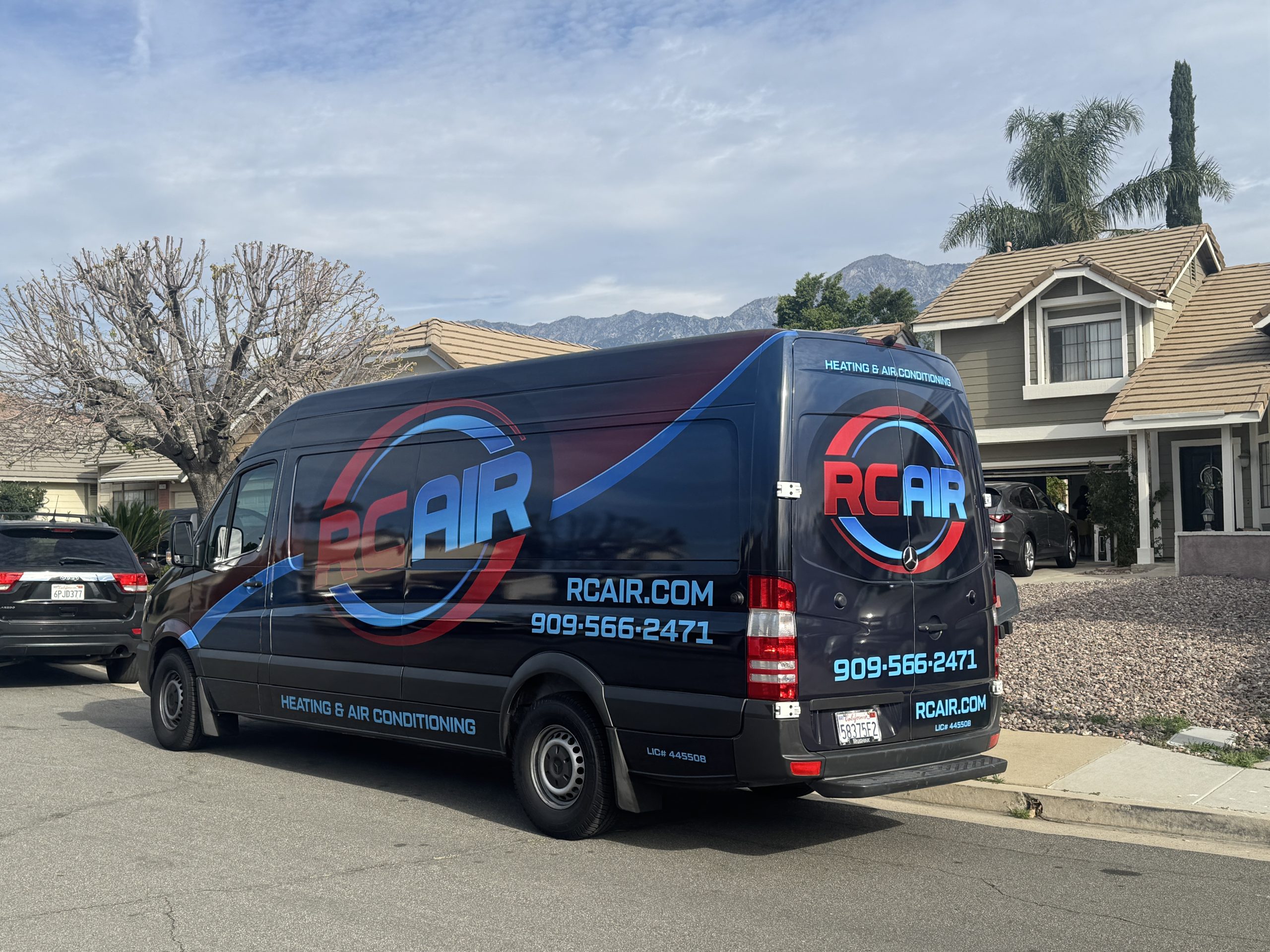
RC Air Heating & Air Conditioning can inspect your system, explain the problem, and walk you through your repair options before work begins.
Why furnace maintenance matters
Maintenance helps keep the heating system clean, safe, and efficient. It also gives a technician a chance to catch worn parts, airflow problems, ignition issues, and safety concerns before they become emergency repairs.
During a maintenance visit, a technician may inspect electrical connections, test safety controls, check airflow, inspect burners, clean key components, verify thermostat operation, and look for signs of wear or overheating.
- Helps reduce surprise breakdowns
- Supports better airflow and comfort
- Can improve system efficiency
- Helps identify small issues early
- Supports safer operation during colder months
Heat pump repair considerations
Heat pumps work differently than traditional furnaces because they move heat rather than generating it directly. During colder weather, a heat pump may run longer than a furnace, but it should still heat consistently and efficiently.
Common heat pump issues include refrigerant problems, reversing valve failures, defrost cycle issues, weak airflow, thermostat problems, and electrical component failures. If the system is stuck in cooling mode, icing up, or running constantly without reaching temperature, it should be checked.
Areas we serve
RC Air Heating & Air Conditioning serves Rancho Cucamonga and nearby Inland Empire communities, including Upland, Ontario, Fontana, Eastvale, Claremont, Chino, Chino Hills, Montclair, La Verne, San Dimas, Glendora, and North Pomona.
Whether you need a quick repair, seasonal maintenance, or a second opinion before replacing your heating system, our goal is to make the process straightforward and easy to understand.
Your Heater & Furnace Repair in 3 Simple Steps
Enjoy a smooth, hassle-free experience with our streamlined process, designed to get your heater and furnace running efficiently and reliably.
Frequently Asked Questions About Heating Repair
Ready to Get Started?
Schedule your HVAC repair or service today. We serve Rancho Cucamonga and nearby Inland Empire communities.
More Services
Heater & Furnace Installation
Professional heater and furnace installation to keep your home warm, efficient, and reliable during colder months.
Learn MoreHeat Pump Repair
Fast heat pump diagnostics and repair for systems that are not heating, cooling, defrosting, or running properly.
Learn MoreAC Repair
Reliable air conditioning repair for poor cooling, weak airflow, unusual noises, short cycling, and system breakdowns.
Learn MoreNeed Fast HVAC Service in the Inland Empire?
Call RC Air or send us a message. Our team will get back to you as soon as possible to help with your AC, heating, heat pump, or indoor air quality needs.